Shirt Fits & Silhouettes
Gallery D · Comparison
How a formal shirt fits matters more than almost anything else about it. This page compares the four principal fits — slim, regular, classic and contemporary — and the seven points where fit is judged.
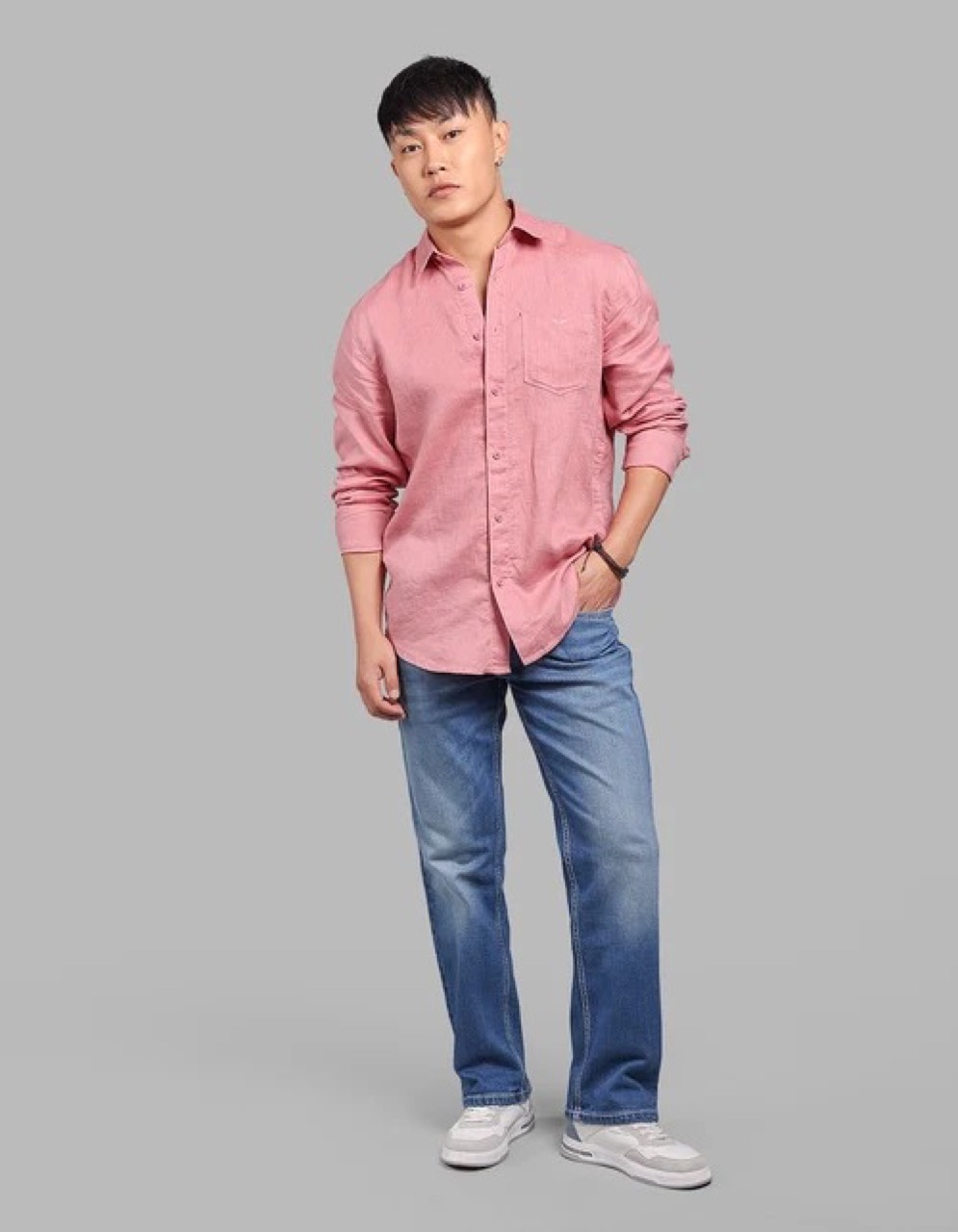
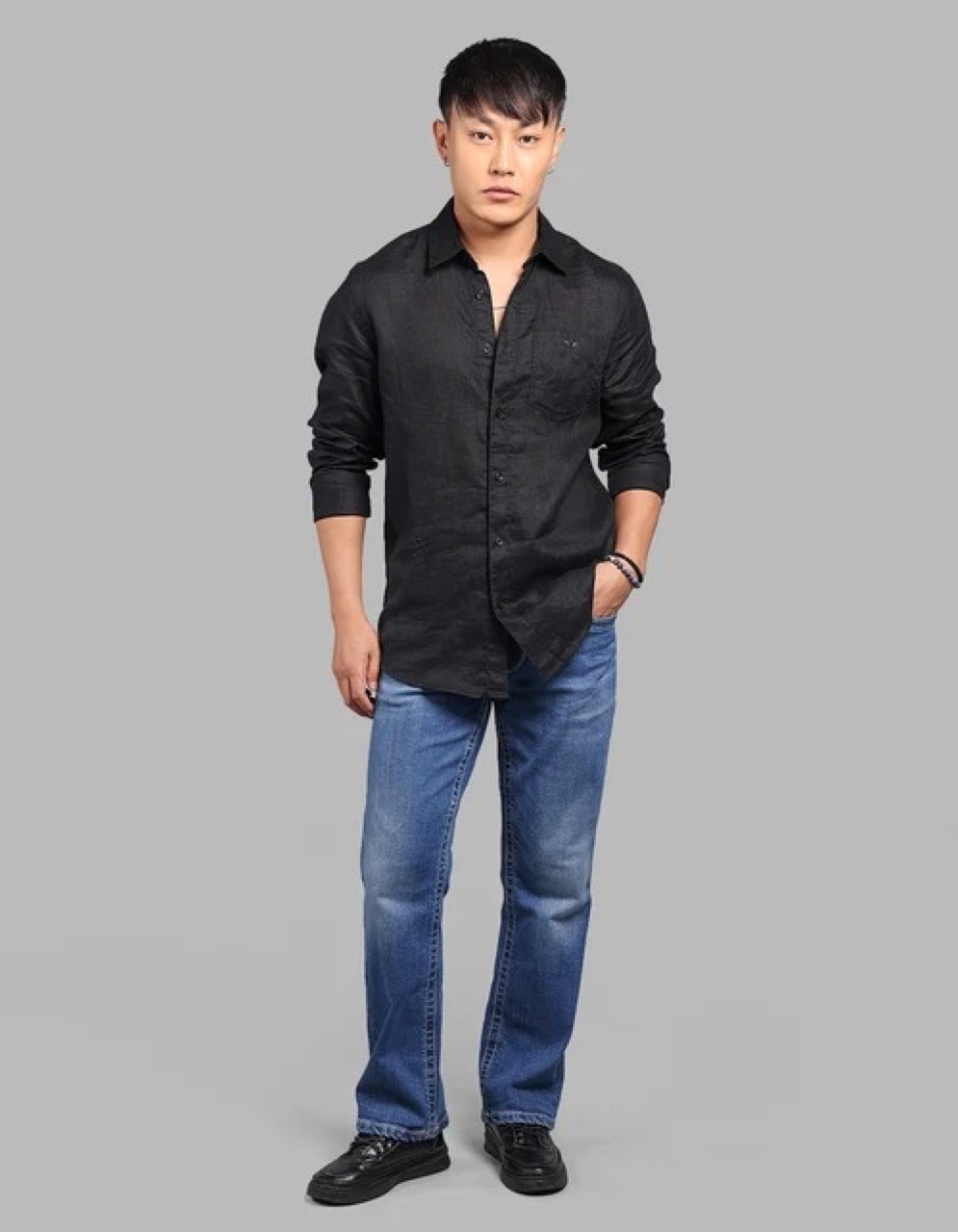
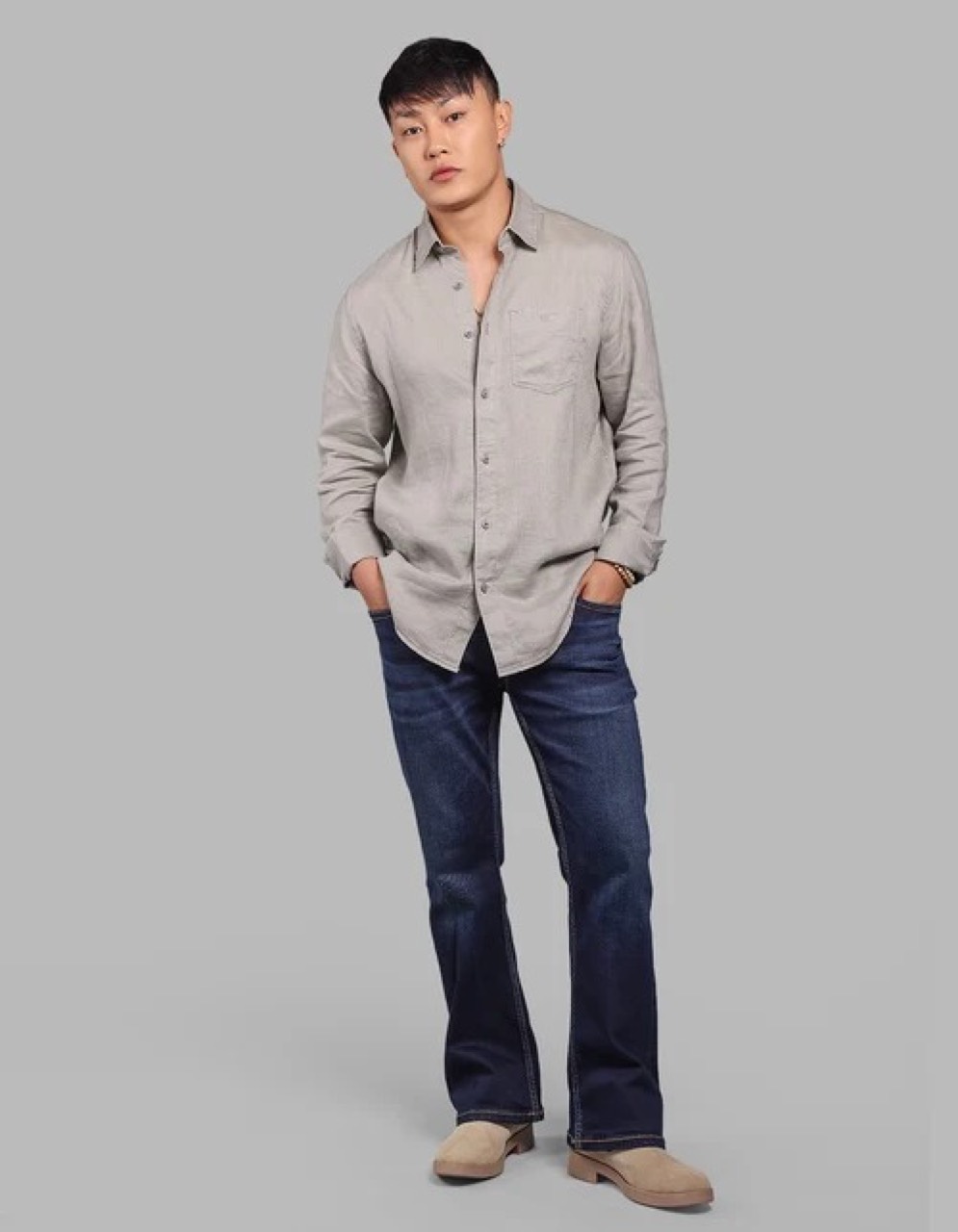
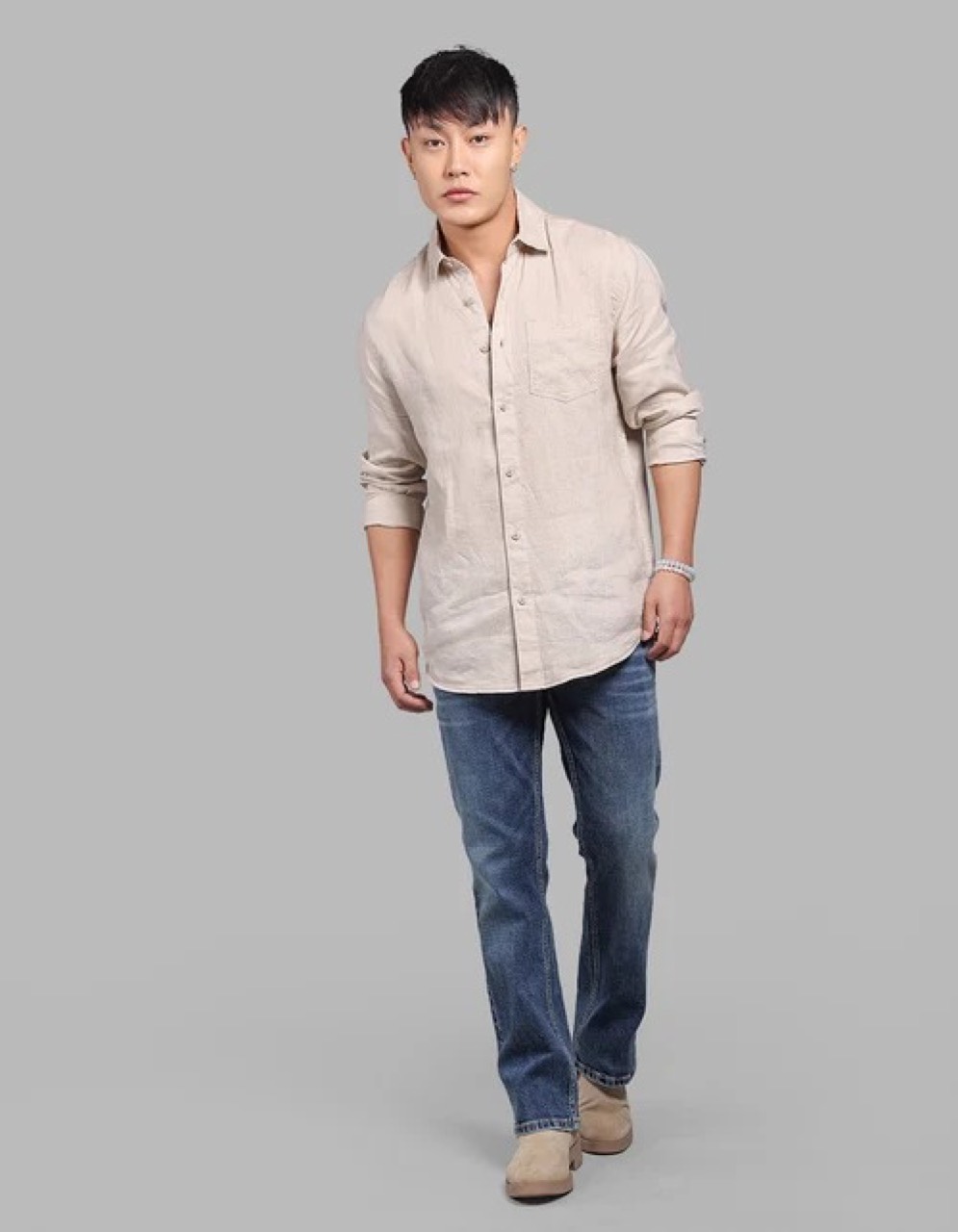
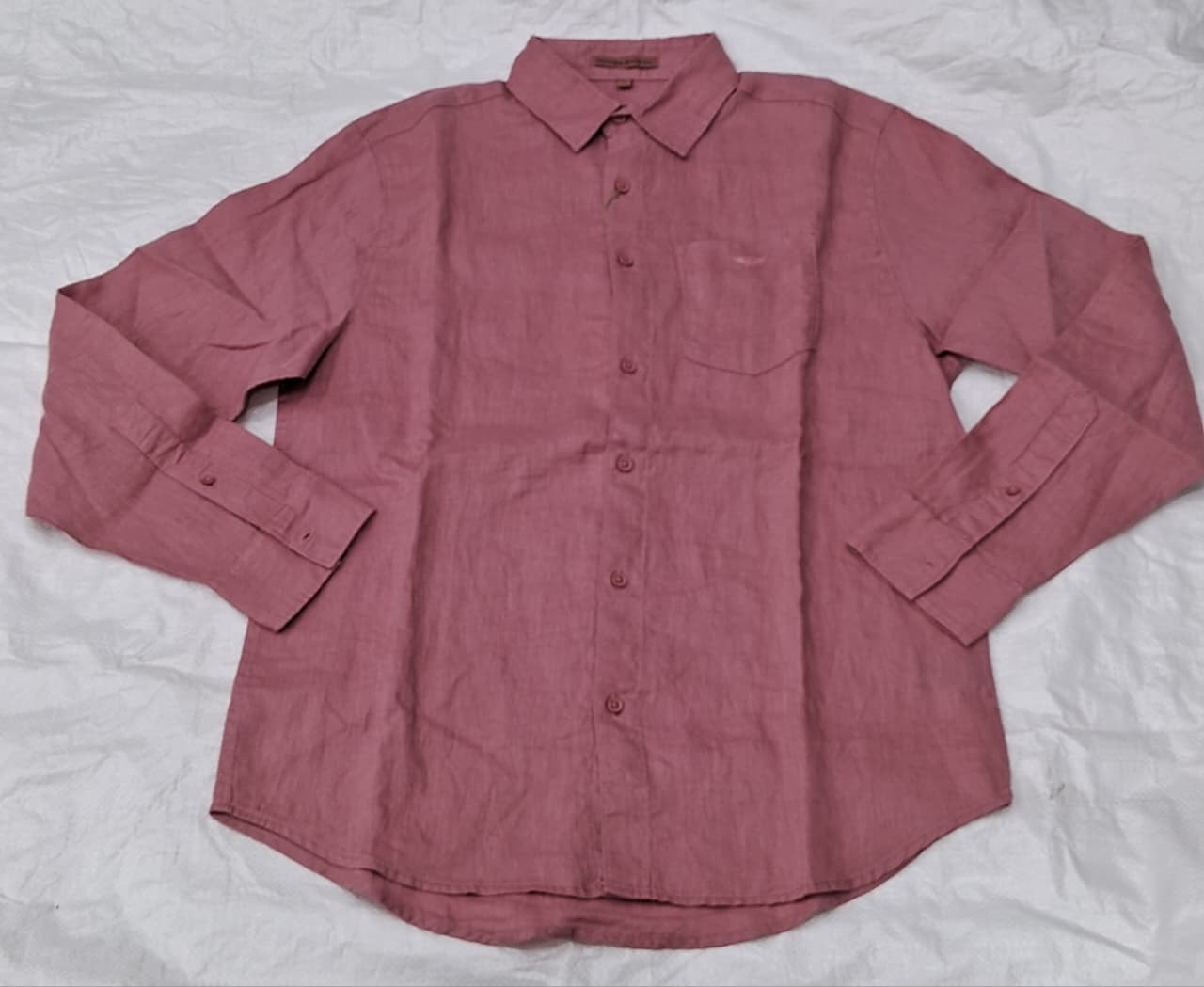
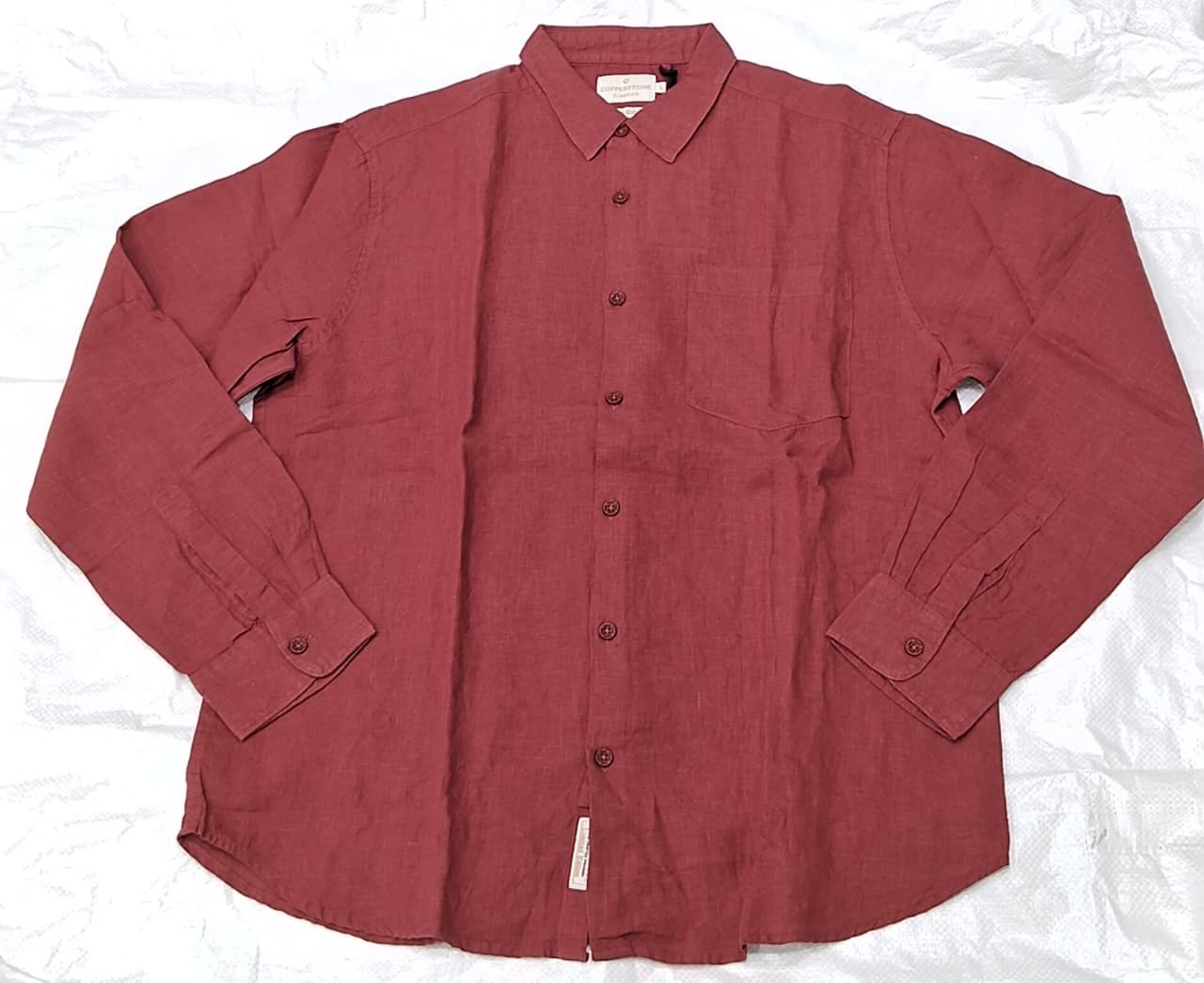
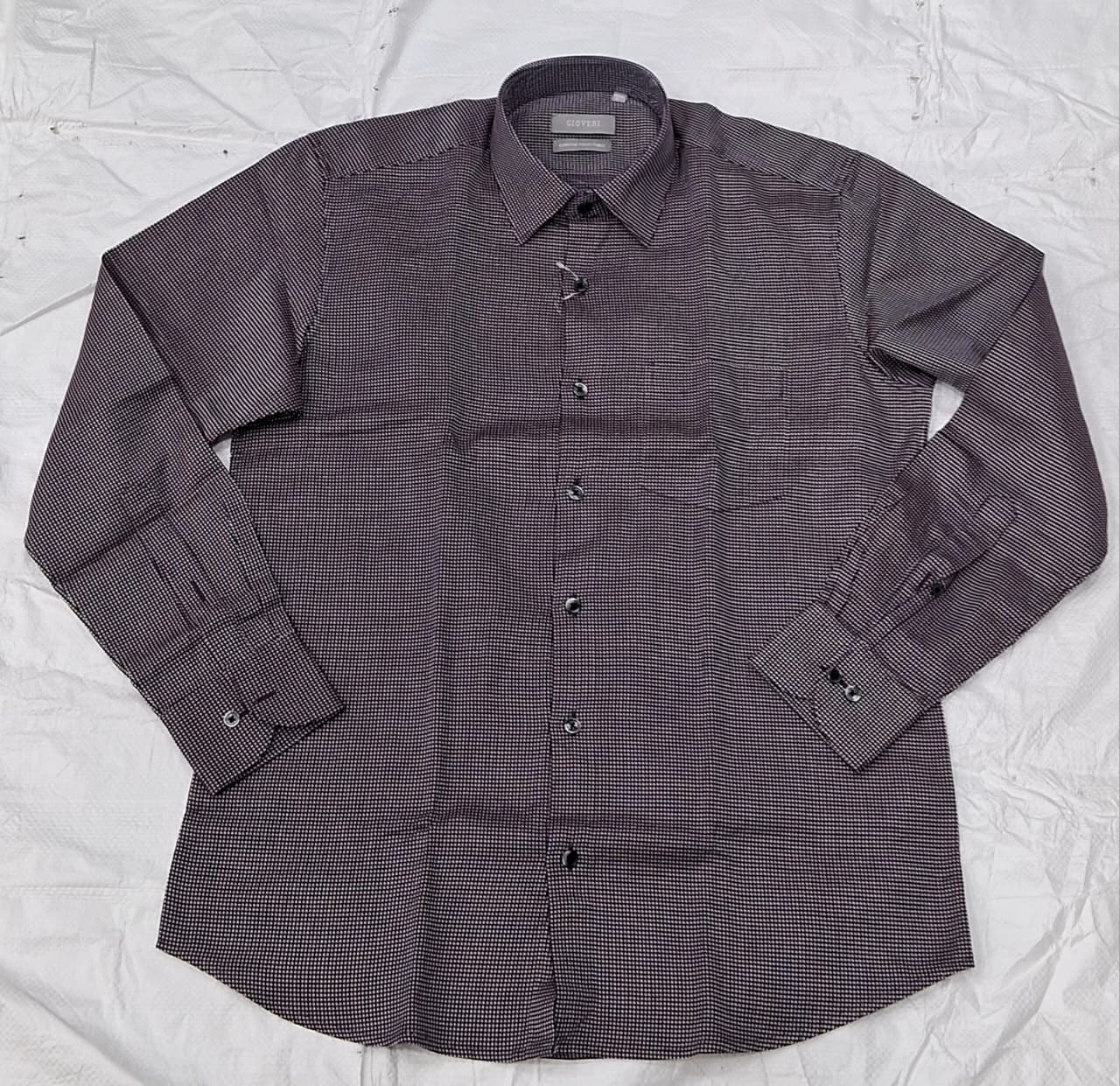
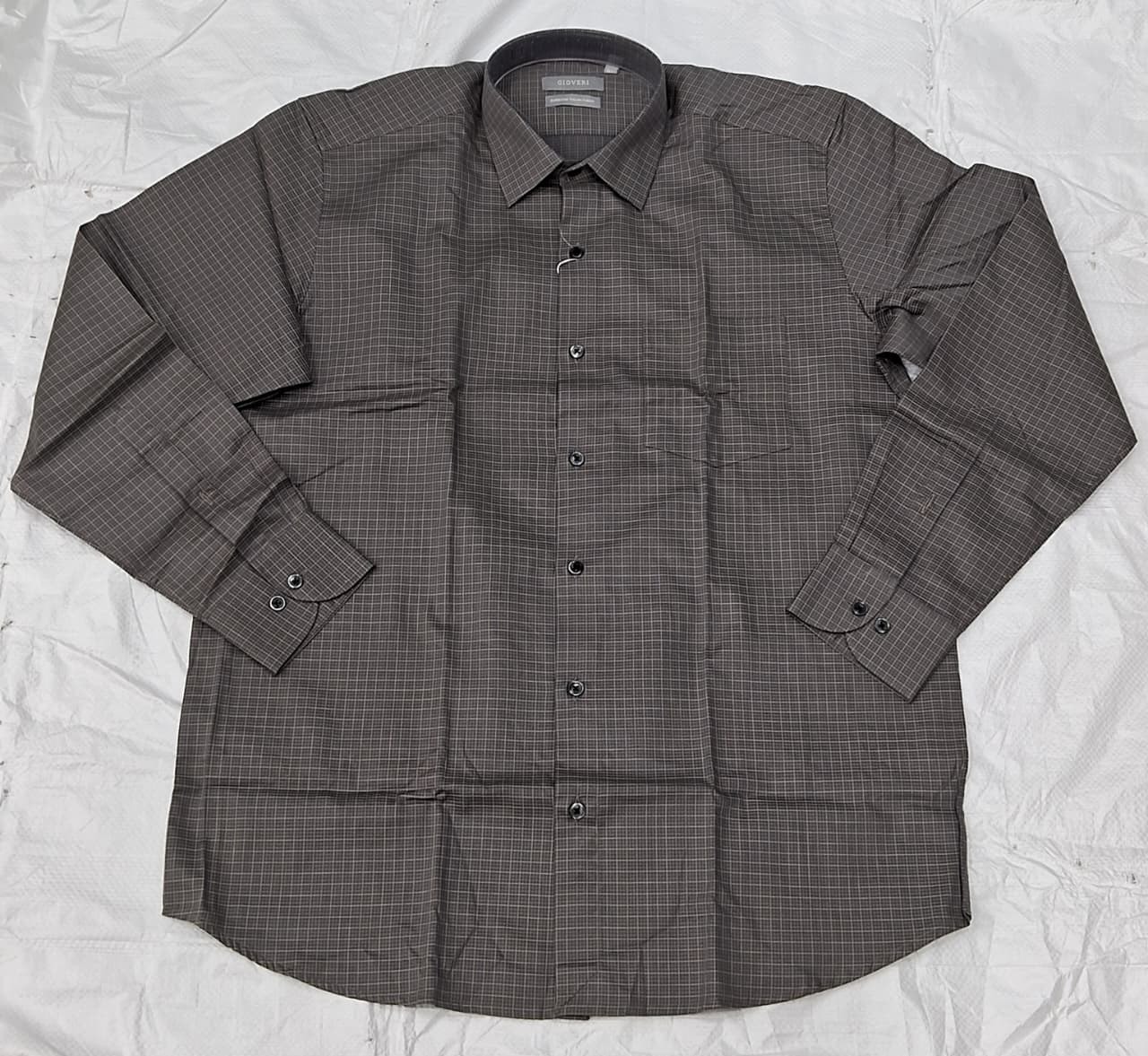
These photographs are silhouette studies for observing shoulder line, sleeve length and drape. They are not labelled as particular fits, and fit names can vary between makers — always check the specific garment.
The Four Fits
Select a fit to study.
Use the selector to compare definitions, suitable builds and styling for each silhouette. Use the arrow keys to move between fits.
Slim FitA closer-fitting silhouette with a more defined shape.
Slim fit formal shirts follow the body more closely through the chest, waist and sleeves. The result is a defined, vertical outline with little excess fabric — sharp under a fitted blazer, and tidy when tucked into slim trousers.
- Best for
- Slimmer and athletic builds
- Pairs with
- Slim trousers, fitted jackets
- Impression
- Sharp, modern, precise
- Watch for
- Pulling between the buttons
Regular FitA balanced silhouette offering more room through the body.
Regular fit formal shirts sit between slim and classic: straight through the body with comfortable room in the chest and sleeves. They suit most builds, stay neat when tucked, and are easy to wear through long working days.
- Best for
- Most builds; daily office wear
- Pairs with
- Straight formal trousers
- Impression
- Balanced, dependable
- Watch for
- Fabric billowing at the waist
Classic FitA traditional silhouette with a more relaxed proportion.
Classic fit formal shirts are the most generous cut — fuller through the chest, body and sleeves, with a lower armhole. They offer the greatest freedom of movement and lie quietly beneath a traditional suit jacket.
- Best for
- Broader builds; maximum comfort
- Pairs with
- Suits, pleated trousers
- Impression
- Traditional, relaxed
- Watch for
- Excess fabric above the belt
Contemporary FitA modern approach balancing structure and comfort.
A contemporary fit takes the shape of a slim shirt and the ease of a regular one: lightly tapered at the waist, with enough room across the back to move. It is designed to look intentional with or without a jacket.
- Best for
- Those between slim and regular
- Pairs with
- Tailored chinos, unstructured blazers
- Impression
- Modern, versatile
- Watch for
- Length if wearing untucked
Comparison Matrix
Fit, point by point.
A qualitative comparison of how each fit generally behaves. Exact measurements differ from maker to maker, so use this as a guide to what to look for rather than a size chart.
| PointFit | 01Slim Fit | 02Regular Fit | 03Classic Fit | 04Contemporary Fit |
|---|---|---|---|---|
| Shoulder alignment | Seam sits precisely on the shoulder bone. | Seam on the shoulder bone with a little ease. | Seam may sit fractionally beyond the shoulder for comfort. | Seam on the shoulder bone; clean across the back. |
| Chest | Close; fabric lies flat without pulling. | Comfortable room; slight drape. | Generous; most freedom to reach. | Trim but never tight. |
| Sleeve proportions | Narrower through the upper arm and forearm. | Straight, moderate width. | Fuller through the arm. | Gently tapered toward the cuff. |
| Collar fit | For every fit: when buttoned, one finger should slide between collar and neck. Too tight and it pinches; too loose and the collar collapses under a tie. | |||
| Shirt length | Usually shorter; may be worn untucked in casual settings. | Long enough to stay tucked when seated. | Longest; designed to stay tucked. | Balanced to work tucked or untucked. |
| Waist shaping | Clearly tapered, sometimes with back darts. | Straight with minimal shaping. | Straight and full. | Light taper for definition. |
| Movement & comfort | Neat, but less room for wide movement. | Comfortable for full working days. | Maximum ease. | Structured yet comfortable. |
Seven Points of Fit
How to judge a formal shirt in the mirror.
Whatever the label says, these seven checks tell you whether a shirt truly fits you. Try them with the shirt fully buttoned and tucked in.
-
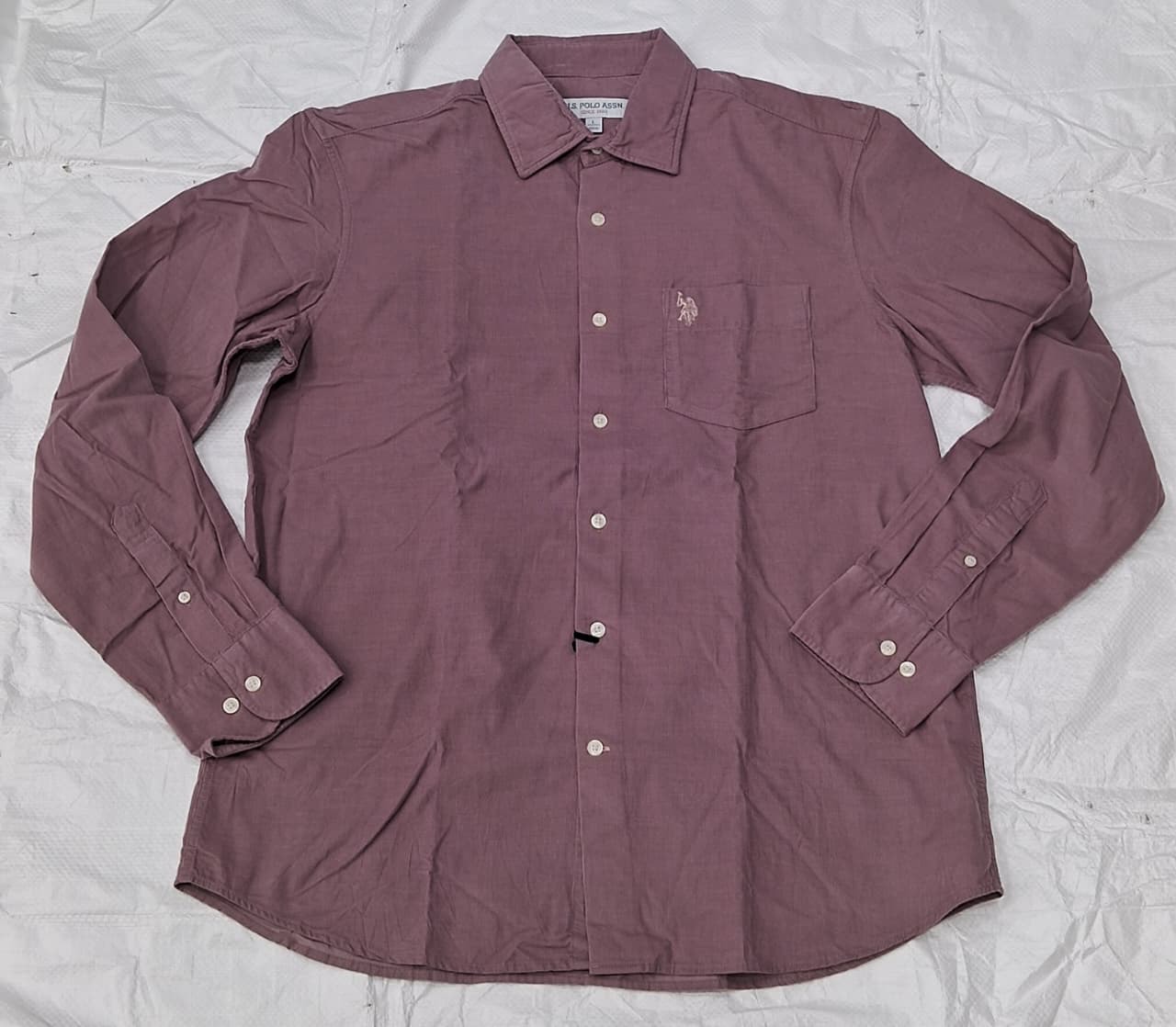
Shoulder alignment
The shoulder seam should meet the edge of your shoulder bone. If it falls down the arm, the shirt is too large; if it sits on top of the shoulder, too small.
-
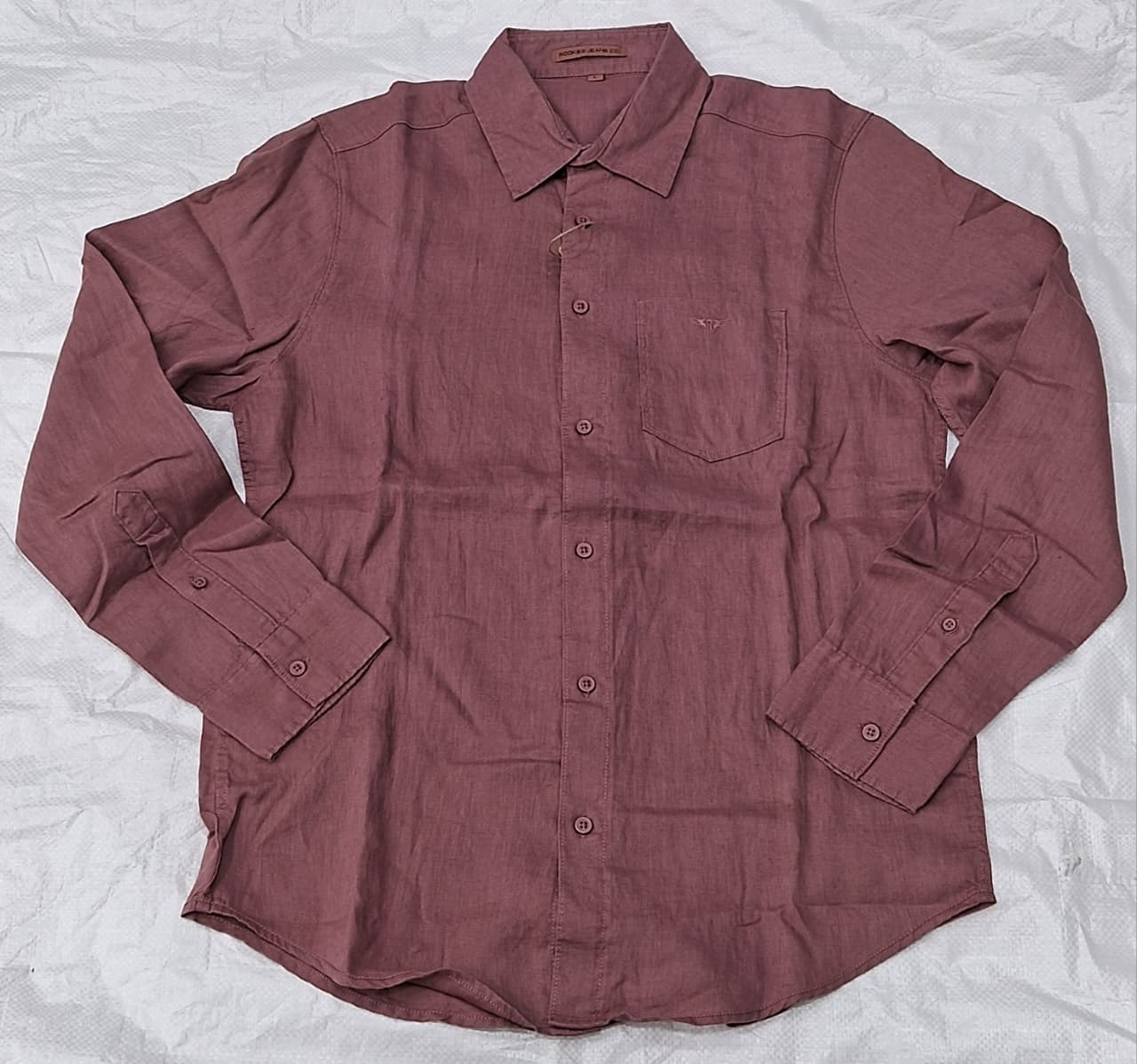
Chest
Fabric should lie flat across the chest. Horizontal creases pulling toward the buttons mean the chest is too tight; deep vertical folds mean too much fabric.
-
Sleeve proportions
With arms relaxed, the cuff should reach the base of the thumb. The sleeve should allow you to bend your elbow without the cuff riding far up the wrist.
-
Collar fit
Buttoned, the collar should allow one finger between collar and neck. The collar points should rest against the chest, not lift away.
-
Shirt length
A formal shirt should stay tucked when you sit, bend and raise your arms. If you plan to wear it untucked, it should end around the middle of the trouser zip.
-
Waist shaping
Look for an even line from chest to waist. A small amount of shaping prevents billowing above the belt without restricting breathing or sitting.
-
Movement & comfort
Reach forward and lift your arms. A well-fitting shirt moves with you, and the back should not strain at the seams.